A child’s room is more than just a sleeping space—it’s their universe. Designing it requires balancing playfulness, practicality, and safety. Begin with a vibrant color palette that stimulates imagination: soft blues, sunny yellows, or whimsical wallpaper prints. Use modular furniture like beds with built-in storage or study tables that grow with the child. Safety should be a top priority—rounded furniture edges, non-slip rugs, and wall-mounted shelves minimize accidents. Incorporate elements that encourage creativity such as chalkboard walls, cozy reading corners, or interactive pegboards for toys and art. Lighting plays a major role too. A blend of natural light, ambient lighting, and task lamps helps create a well-lit, functional environment. To make the space truly theirs, let the child participate in decor decisions—whether it's choosing curtains, wall art, or bed linens. A well-designed kids’ room evolves with them and nurtures growth, fun, and learning.
India's interior design landscape is diverse, reflecting a blend of cultural influences and modern trends. Here are some of the most popular styles, along with their distinctive features and tips for incorporating them into your home.
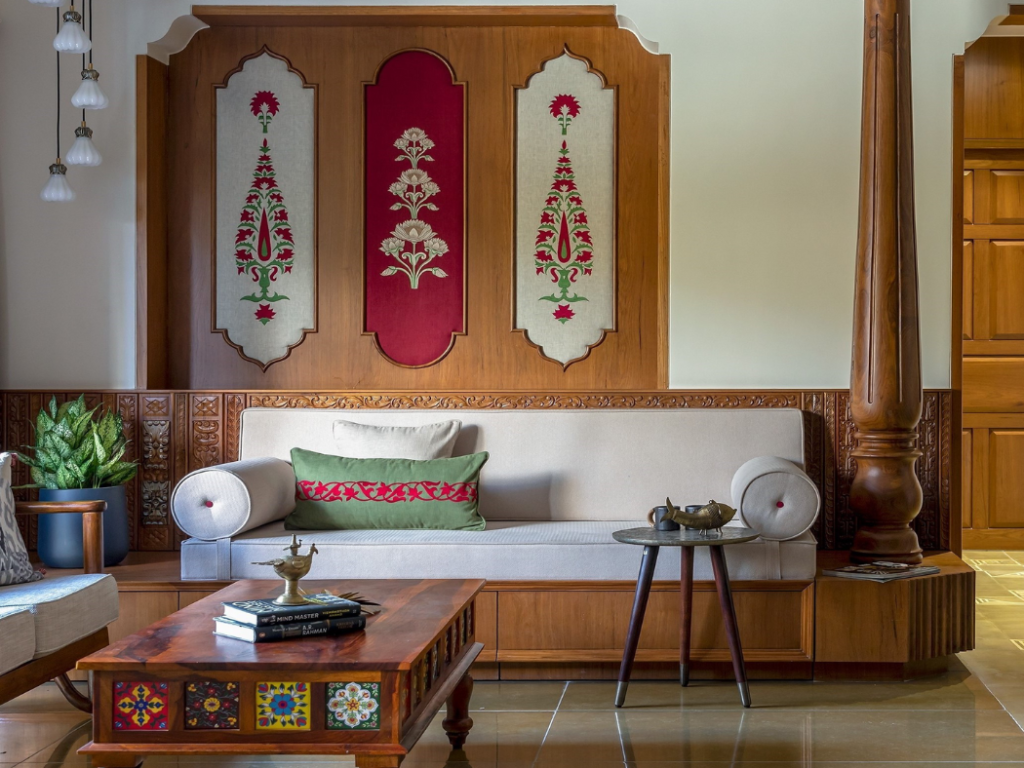
| Interior Design Style | Distinctive Features | Livspace Stylist Tips |
|---|---|---|
| Indian Traditional | — Vibrant colours — Solid wood furniture — Handicrafts and folk art items | — Use wood-carved furniture — Embrace rich colours |
| Minimalism | — Clutter-free — Neutral colour palette — Concealed storage | — Aim for an uncluttered space — Use monochromes and accent colours |
| Contemporary | — Natural light — Neutral scheme with pops of colour — Statement walls and clean design | — Mix different textures and materials for depth |
| Bohemian | — Variety of patterns — Low seating — Curios and refurbished furniture | — Embrace a free-spirited approach — Layer multicultural textiles and decor |
| Scandinavian | — Understated style — Light furniture — Emphasis on natural light | — Incorporate natural textures — Use artwork as focal points |
| Mid-Century Modern | — Simplicity and functionality — Organic forms — Iconic decor pieces | — Prioritize function over ornament — Use materials like teak, oak, and metal |
| Transitional | — Mix of old and new designs — Clean lines — Neutral colours with subtle patterns | — Focus on modern materials — Maintain clean lines with decorative detailing |
| Eclectic | — Neutral with accent colours — Decor should share common themes — Gallery wall display | — Use objects you love — Incorporate handmade items and statement decor |
| Art Deco | — Deep wall colours — Arched windows — Sunburst patterns — Geometric designs as ornamentation | — Choose rich materials and textiles — Opt for ornamental light fixtures |
| Industrial | — Neutral colours — Warehouse-inspired look — Exposed brick walls | — Embrace raw, natural, and edgy elements — Use unfinished walls and exposed beams |
Each style offers unique ways to express personal taste while enhancing the functionality and aesthetic appeal of your space. Whether you’re drawn to the vibrancy of Indian traditional design or the sleekness of minimalism, understanding these styles can help you create a home that truly reflects your personality.
- Get link
- X
- Other Apps
- Get link
- X
- Other Apps
Comments
Post a Comment